Nature Now
#677 The Naturalist at Home
#676 Pacific Rhododendron Forest, part 1

(Airdate: June 19, 2024) We are all familiar with Washington’s state flower, the native Pacific Rhododendron. Did you know there is a classification for that ecosystem – it is called the Rhododendron forest. Remnants of the Rhododendron forest are on the Toandos Peninsula in Puget Sound and are technically part of a “globally imperiled plant association”. This forest type has been confirmed by botanists with the Department of Natural Resources’ Natural Heritage Program. Over the past decade biologists have mapped this globally rare type of forest which represents the largest occurrence of its type left in the world. Although this native forest type was once common west of the Cascades in Washington state, it has largely been eliminated by conversion to tree plantations and development. Join Jackie Canterbury as she talks with Peter Bahls, Director and Biologist for the Northwest Watershed Institute and Heidi Eisenhour, Jefferson County Commissioner about their collaborative efforts to protect this globally rare remaining Pacific Rhododendron forest.
#675 What Your Food Ate, part 1

(Reprise airdate: June 12, 2024) Join Nan Evans as she talks with scientists and authors, David Montgomery and Anne Biklé, about their recent book What Your Food Ate. This book deepens and broadens that old adage that “we are what we eat” by exploring how the health of soil ecosystems form the roots of a complex dynamic that determines the health of crops, livestock, and ultimately human communities.
#674 Chimacum Ridge Through the Eyes of a Geologist
#673 Plankton Worlds, part 2

(Airdate: May 29, 2024) Nan Evans and Dr. Gretchen Rollwagen-Bollens continue to explore the weird world of plankton. Did you know, some plankton can make water go bad? Eutrophication – too much of a good thing. Photosynthesis – A good thing – taking sunlight and producing oxygen, enabling life as we know it. Cyanobacteria – Another good thing – the first photosynthetic creatures on Earth. Cyanobacteria – A good thing gone bad – can produce a wide range of toxins poisoning waters and threatening humans and other animals. Stay out of the water at Anderson Lake!
#672 Secretive Wetland Birds

(Airdate: May 22, 2024) Please join host Debaran Kelso as we delve into the amazing world of secretive wetland birds! Our guest is Cindy Easterson from the Puget Sound Bird Observatory. She is program manager for the Regional Wetland Secretive Bird Monitoring Project, and will share details on this grand new research effort in our region.
#671 Bird Nests, part 1
#670 – Snails of the Pacific Northwest, part 2

(Airdate: May 8, 2024) Nan Evans welcomes back Ric Brewer for part two of their “Snail Tales” conversation with a discussion of the native snails and slugs of the Pacific Northwest. Our moist temperate climate is just right for these gastropods (that means “Stomach-Footed). And, for a final conversational treat, consider eating snails (i.e., escargots) on your pizza or pasta.
#669 Teal Lake at Port Ludlow

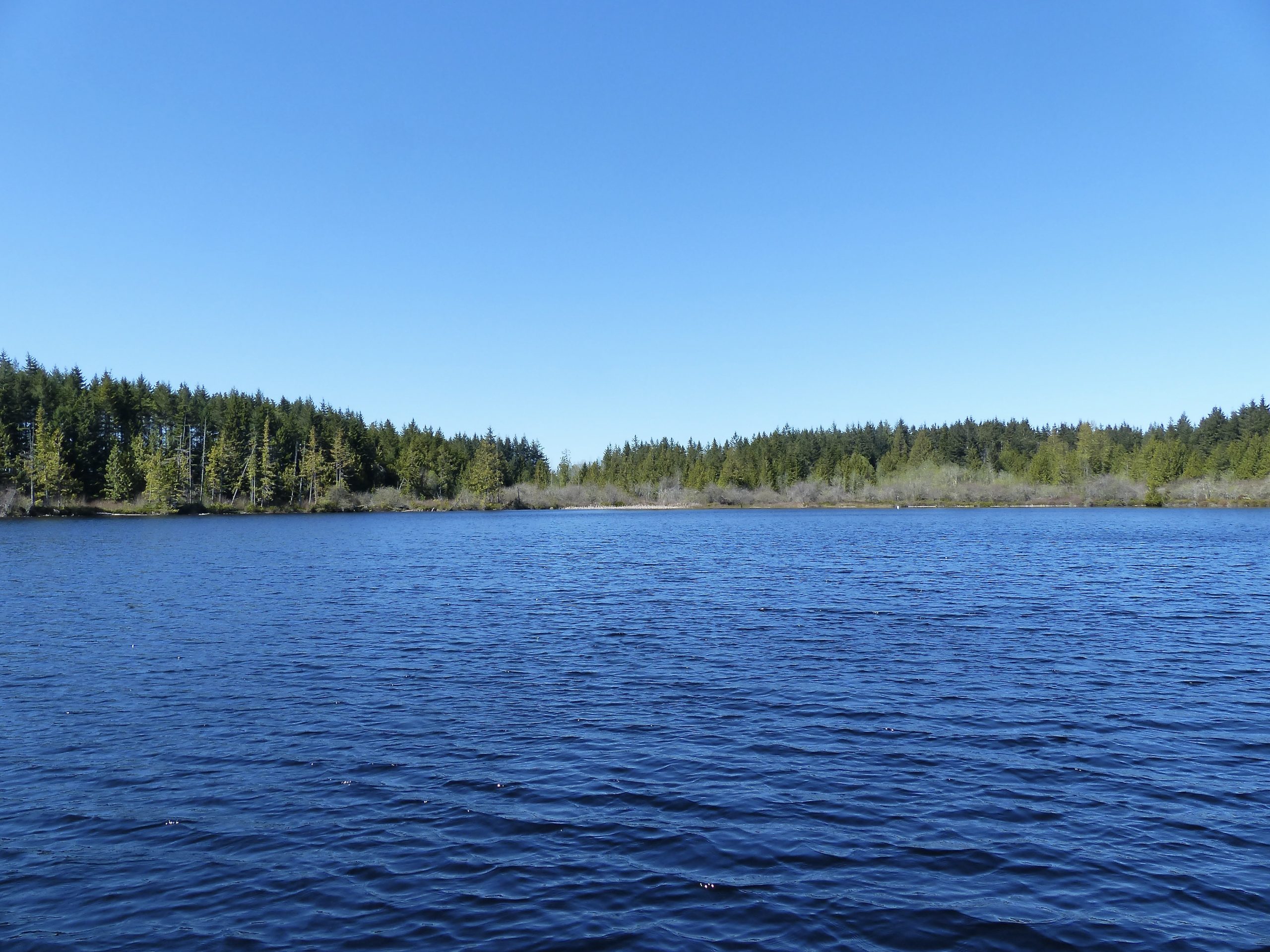
(Airdate: May 1, 2024) During a 2-mile walk, Nature Now host Jackie Canterbury talks with John Goldwood about the history and nature of Teal Lake near Port Ludlow. As a resident of Port Ludlow, John shares his knowledge about the history and complications of living at the interface between timber country and residential development. He engages us about the Teal Lake trail, the trail system in Port Ludlow, the surrounding forest, the local geology, and the plants and birds of the area.